KNEC invigilation payments 2026 have finally been approved, bringing relief to thousands of teachers across Kenya. The Kenya National Examinations Council (KNEC) has received funding from the National Treasury to pay invigilators, supervisors, and other contracted professionals who participated in the 2025 national exams.
Teachers can now expect their KNEC payments to begin as early as April 13 Monday and 17 Friday following months of delays that had sparked concerns across the education sector.
READ MORE
- TSC Teacher Recruitment 2026: 20,000 Jobs & Office Upgrades
- KUCCPS Application 2026 – Complete Step-by-Step Guide
- TSC to Use P1 Teachers To Address Teacher Shortage in Junior Schools
- Teachers Threaten Nationwide Strike, Issues Demands
Government Releases KSh 1 Billion for KNEC Payments
The government has allocated KSh 1 billion to facilitate the payment of contracted professionals, including teachers, drivers, and security personnel. This funding aims to clear pending dues that have remained unpaid since last year’s national examinations.
The release follows the approval of the Supplementary Budget Appropriation Bill, which was signed into law by President William Ruto. This allowed the Treasury to withdraw funds from the Consolidated Fund and address financial constraints affecting key institutions.
READ ALSO: Full List of KUCCPS Courses and Cut-Off Points 2026
Why KNEC Payments Were Delayed
The delay in KNEC invigilation payments has been largely attributed to budget constraints and verification processes. The Ministry of Education had requested urgent approval of a KSh 66 billion supplementary budget to address financial gaps.
The funds are also intended to support:
- School capitation
- ASAL school feeding programmes
- Operational needs in the education sector
These delays affected institutions such as KNEC, the Teachers Service Commission (TSC), and the Ministry of Education.
Teachers’ Unions Warn of 2026 Exam Boycott
Teacher unions, including KNUT and KUPPET, have expressed dissatisfaction over delayed payments. They warned that continued delays could lead to a boycott of the 2026 national examinations.
According to union leaders, timely payment is crucial in maintaining motivation and ensuring smooth administration of exams.
How KNEC Pays Invigilators and Examiners
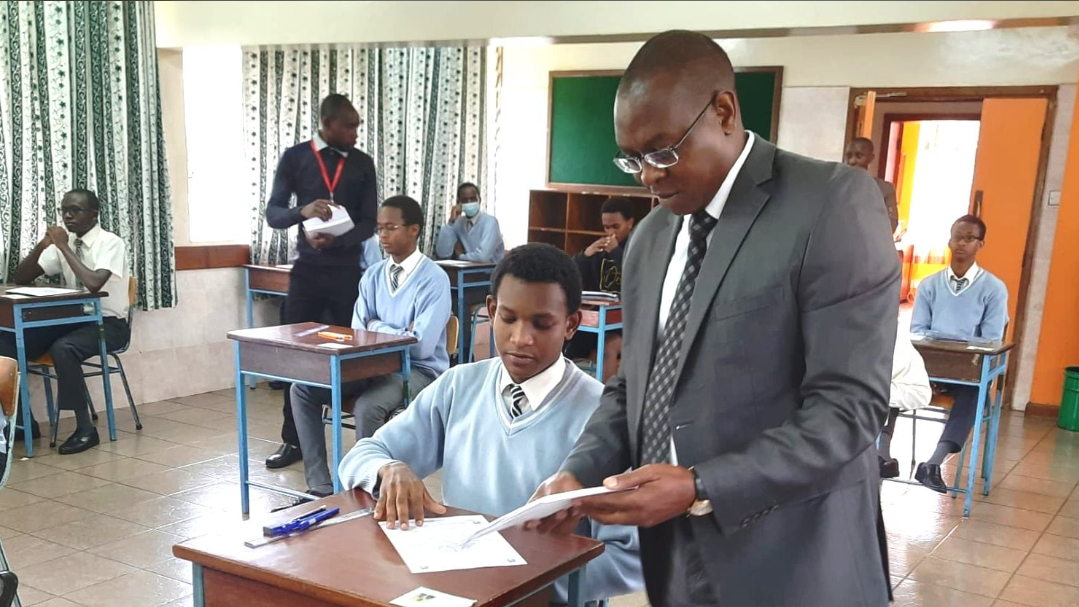
KNEC contracts professionals annually to assist in conducting national examinations such as:
- KPSEA
- KJSEA
- KCSE
Teachers are typically paid facilitation allowances rather than salaries. Payments are processed after:
- Completion of exams
- Marking of scripts
- Official release of results
With the release of KPSEA results, all conditions for payment have now been met.
READ ALSO: TSC Faces Financial Crisis as Auditor General Raises Alarm Over Billions in Deficit
Common Reasons Why Teachers Miss KNEC Payments
Some teachers fail to receive their KNEC dues due to the following issues:
1. Name Mismatch
Mismatch between CP2 details and M-Pesa registration.
Fix: Use a Safaricom number that matches your ID details.
2. Missing ID or TSC Number
Incomplete records delay processing.
Fix: Update your details in the CP2 portal.
3. Missing Documentation
Unsigned or unstamped attendance registers.
Fix: Ensure documents are verified and submitted through SCDE.
4. Not Captured in CP2 System
Worked but not officially deployed.
Fix: Report to SCDE with full details.
5. Late Data Submission
Delays in submitting accurate data.
Fix: Submit complete and correct information on time.
KNEC Invigilation Payment Rates 2026
KPSEA Invigilators
KSh 550/day for 3 days
Total: KSh 1,680
KJSEA Invigilators
KSh 550/day for 6 days
Total: KSh 3,300
KPSEA & KJSEA Supervisors
KSh 680/day for 6 days
Total: KSh 4,080
KCSE Supervisors
KSh 680/day for 16 days
Total: KSh 10,880
KCSE Invigilators
KSh 550/day for 16 days
Total: KSh 8,800
Centre Managers
KSh 550 per day across all exams
READ ALSO: TSC to Use P1 Teachers To Address Teacher Shortage in Junior Schools
What Teachers Should Do Now
To avoid missing payments, teachers should:
- Verify details in the CP2 portal
- Ensure M-Pesa number matches ID
- Follow up with SCDE if necessary
- Keep copies of submitted documents
Challenges Behind Delayed KNEC Invigilation Payments
Despite the recent release of funds for KNEC invigilation payments 2026, the council has faced persistent challenges that have contributed to delayed payments over the years. These issues go beyond simple administrative delays and point to deeper systemic problems within the education and public finance sectors.
1. Delayed Government Funding and Budget Constraints
One of the biggest challenges affecting KNEC payments to teachers is delayed disbursement of funds from the National Treasury. In many cases, KNEC relies entirely on government allocations, which are sometimes released late due to competing national priorities.
Budget deficits and delays in approving supplementary budgets often leave the council without the liquidity needed to pay invigilators on time.
2. Lengthy Verification and Approval Processes
Before payments are processed, KNEC must verify thousands of contracted professionals across the country. This includes:
- Confirming attendance records
- Matching personal details
- Validating deployment data
These processes, while necessary to prevent fraud, can take a long time—especially when errors are detected.
3. Errors in the CP2 System
The KNEC CP2 portal has been a major source of payment delays. Common issues include:
- Name mismatches
- Incorrect M-Pesa details
- Missing TSC numbers
- Incomplete profiles
Even small discrepancies can delay payments for weeks or months.
4. Poor Coordination Between Stakeholders
KNEC works with multiple stakeholders including:
- Schools
- Sub-County Directors of Education (SCDE)
- Ministry of Education officials
Delays often occur when there is slow communication or late submission of required documents from these parties.
5. Late Submission of Exam Documentation
In some cases, schools fail to submit:
- Signed attendance registers
- Officially stamped documents
Without these, KNEC cannot process payments, leading to further delays for teachers.
6. Increasing Number of Contracted Professionals
With the expansion of assessments like KPSEA and KJSEA under CBC, the number of contracted professionals has significantly increased. This has placed additional pressure on KNEC’s systems and resources, slowing down payment processing.
Solutions: How the Government Can Ensure Timely KNEC Payments
To avoid recurring delays in KNEC invigilation payments, the government can implement several practical and long-term solutions:
1. Allocate a Dedicated KNEC Payment Fund
The government should create a ring-fenced fund specifically for exam administration and invigilation payments. This will ensure funds are always available when needed, without waiting for supplementary budgets.
2. Automate and Upgrade the CP2 System
Improving the CP2 portal with:
- Real-time data validation
- Automatic error detection
- Integration with national ID and M-Pesa systems.
This will significantly reduce delays caused by manual errors.
3. Early Budget Approval and Disbursement
Parliament should prioritize early approval of education budgets to ensure KNEC receives funds well before exam cycles begin. This will eliminate last-minute financial bottlenecks.
4. Strengthen Accountability at School Level
School heads and centre managers should be held accountable for:
- Timely submission of documents
- Accuracy of attendance records
- Introducing strict deadlines and penalties for delays can improve efficiency.
5. Direct Payment Integration with Teachers’ Records
The government can integrate KNEC systems with TSC databases to enable:
- Automatic verification of teachers
- Faster payment processing
This would reduce reliance on manual data entry.
6. Introduce a Clear Payment Timeline Policy
KNEC, in collaboration with the Ministry of Education, should establish a fixed payment timeline (e.g., within 30 days after results release). This will improve transparency and restore trust among teachers.
Conclusion
The release of funds for KNEC invigilation payments 2026 is a welcome move for teachers across Kenya. However, recurring delays highlight the need for a more efficient payment system. Moving forward, stakeholders expect timely disbursement to avoid disruptions in national examinations.
While the release of funds for KNEC invigilation payments 2026 is a positive step, addressing these underlying challenges is crucial for long-term stability. A more efficient, transparent, and well-funded system will not only ensure timely payments but also improve the overall management of national examinations in Kenya.