
The government has stepped in to prevent a looming nationwide teachers’ strike by unveiling sweeping reforms to the teachers’ medical insurance scheme under the Social Health Authority (SHA), marking a significant turning point in the long-running standoff between educators and the state. Teachers medical insurance SHA Kenya
The changes were agreed upon during a high-level consultative meeting that brought together key stakeholders in both the education and health sectors, including the Teachers Service Commission (TSC), Kenya Union of Post-Primary Education Teachers, and Kenya National Union of Teachers. The meeting signaled a renewed commitment by the government to address the welfare concerns of teachers, particularly access to affordable and reliable healthcare.
No More Co-Payments for Teachers
In what is being seen as the most immediate relief, the government announced that teachers will no longer be required to make co-payments when seeking treatment at SHA-accredited health facilities.
Previously, many teachers had raised concerns over being forced to pay additional fees despite being enrolled in a comprehensive medical insurance scheme.
The removal of co-payments is expected to significantly reduce the financial burden on teachers, many of whom had complained about unexpected medical expenses that undermined the purpose of having insurance cover.
This decision also aligns with the broader goal of achieving universal health coverage by ensuring that insured individuals can access care without financial hardship.

Expanded Medical Cover and Improved Services
In addition to scrapping co-payments, the government has expanded the scope of the teachers’ medical cover. The revised package now includes more specialised treatment options, giving teachers access to advanced care that was previously limited or unavailable under the scheme.
This expansion is particularly important for educators dealing with chronic illnesses or conditions that require specialised attention, such as cancer treatment, renal care, and advanced diagnostic services.
By broadening the benefits package, the government aims to ensure that teachers receive comprehensive care without being referred to costly private alternatives. Teachers medical insurance SHA Kenya
More Hospitals Added to the Scheme
To further improve accessibility, the number of SHA-accredited hospitals has been increased. Among the facilities recently added is Nairobi West Hospital, a move that is expected to ease congestion in existing facilities while giving teachers more options when seeking care.
The inclusion of additional hospitals also addresses concerns about geographical disparities, where teachers in some regions struggled to find nearby accredited facilities.
With a wider network of hospitals, teachers can now access services more conveniently, reducing travel time and associated costs.
Strike Averted After Crucial Talks
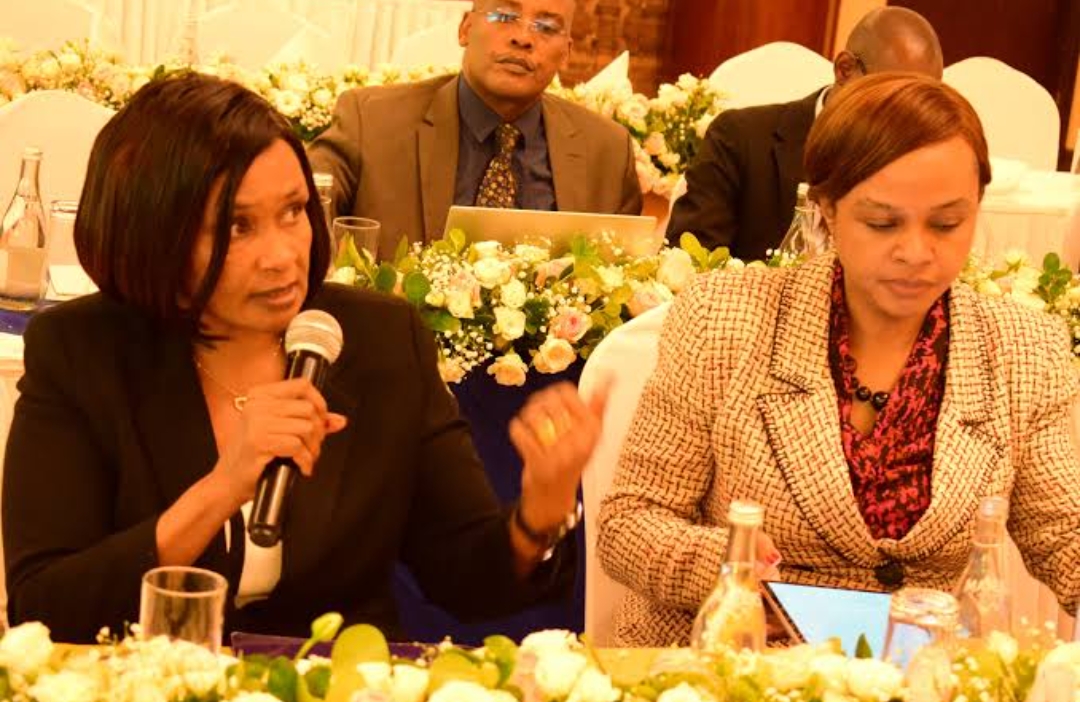
The breakthrough was reached during a day-long meeting held on April 22 in Mombasa. The timing of the agreement was critical, as teachers’ unions had already issued a strike notice, with plans to down tools the following week.
The threatened industrial action had raised concerns about possible disruptions in schools across the country, potentially affecting millions of learners. However, the outcome of the Mombasa talks has effectively diffused tensions, allowing normal learning activities to continue uninterrupted.
Key Issues Raised by Teachers’ Unions
For months, unions had voiced frustrations over the implementation of the SHA medical scheme. Among the major concerns were reports that some healthcare providers were demanding out-of-pocket payments from teachers, even for services that were supposed to be fully covered.
Teachers also complained about delays in receiving treatment, limited access to specialised care, and inconsistencies in service delivery across different facilities. These issues eroded confidence in the scheme and fueled calls for industrial action.
During the meeting, both the government and union representatives revisited these grievances and agreed on practical measures to resolve them. One of the key resolutions was the complete elimination of co-payment requirements, alongside a commitment to improve oversight and accountability within the system.
Government Moves to Strengthen Oversight
KUPPET Secretary-General Akelo Misori revealed that further improvements are in the pipeline, including an upward revision of outpatient capitation. This adjustment is expected to ensure that healthcare providers receive adequate funding to deliver quality services without passing additional costs to patients.
On her part, SHA Chief Executive Officer Mercy Mwangangi issued a firm warning to healthcare providers against violating the new directive. She emphasized that any facility found charging teachers extra fees would face strict disciplinary action.
According to Mwangangi, SHA has already received reports of non-compliance and is taking steps to enforce the new rules. She added that the authority is working closely with healthcare providers to establish standardized tariffs that will guide the cost of services under the scheme.
What Does this Mean for Teachers
The latest reforms represent a major win for teachers, many of whom had felt neglected despite their critical role in the country’s development. By addressing their healthcare concerns, the government has not only improved their welfare but also boosted morale within the profession.
For the education sector, averting the strike means stability and continuity in learning. Disruptions caused by industrial action often have far-reaching consequences, including syllabus delays and poor academic performance.
Looking ahead, the success of these reforms will largely depend on effective implementation and continuous engagement between the government, unions, and healthcare providers. Teachers will also play a role by reporting any cases of non-compliance to ensure the system works as intended.
Ultimately, the government’s swift intervention highlights the importance of dialogue in resolving labor disputes and underscores the need for sustainable solutions that prioritize the well-being of public servants.