
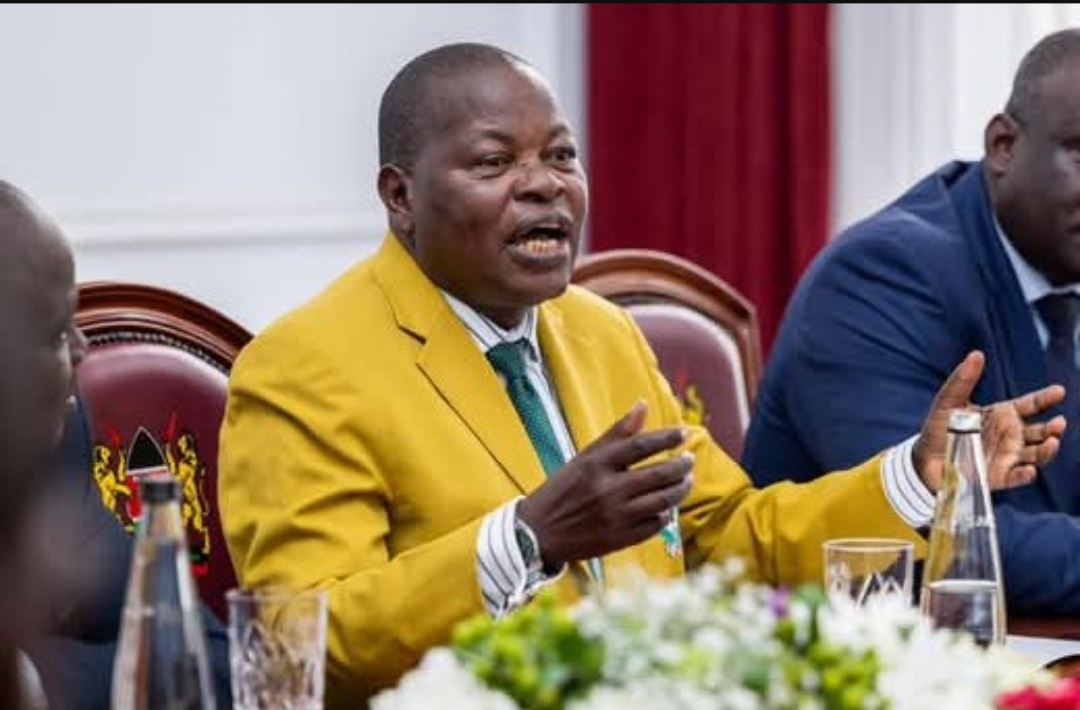
KUPPET elections court ruling
The Kenya Union of Post Primary Education Teachers (KUPPET) has successfully defended its election process after the Employment and Labour Relations Court in Nakuru threw out a petition seeking to halt or reschedule its nationwide polls.
This ruling comes just weeks after the union conducted its February 2026 branch elections across the country—an exercise that saw teachers elect new leaders to represent them at the grassroots level.
KUPPET Elections Held Across Counties
Earlier this year, KUPPET carried out its much-anticipated elections in all counties, giving teachers a chance to choose officials who will steer the union’s agenda for the next term. These elections are critical in shaping how teachers’ issues are handled, from welfare and salaries to working conditions and professional growth.
Positions contested included Executive Secretaries, Chairpersons, Treasurers, and other branch officials. The contests were competitive, reflecting the importance of leadership within the union.
To be eligible, candidates had to meet strict requirements. One needed to be an active and registered KUPPET member, maintain a clean disciplinary record, and demonstrate leadership experience. Those vying for senior positions were expected to have a proven track record in union matters or institutional leadership, alongside the ability to articulate solutions to challenges facing teachers. Integrity, especially in handling finances, was also a key factor for those seeking elective posts.
While the elections were largely successful, they sparked legal action from a group that sought to challenge how the process was being conducted.
READ ALSO: Teachers Threaten Nationwide Strike, Issues Demands
Petitioners Challenge Election Schedule
The case was filed by three teachers and a surgeon who identified themselves as human rights defenders. They argued that KUPPET’s election schedule violated fundamental rights, particularly the right to education for students and the freedom of worship for teachers.
According to the petitioners, holding elections on school days would disrupt learning since teachers would be away from classrooms to participate in the exercise. They also raised concerns about weekend voting, claiming it would interfere with teachers who observe religious practices on Saturdays or Sundays.
The group went further to seek a permanent injunction to prevent any elected officials from assuming office. They also wanted the entire election process nullified and rescheduled.
KUPPET Defends Its Position
In response, KUPPET, together with its Secretary General Akelo Misori, dismissed the claims as baseless. The union maintained that the election timeline was not arbitrary but guided by a directive from the Registrar of Trade Unions, which required branch elections to be conducted between January and March 2026.
The union explained that most elections were scheduled on weekends to avoid interfering with school programs. The only exception was February 27, 2026, which fell during the midterm break—meaning no learning activities were disrupted.
On the issue of freedom of worship, KUPPET argued that voting does not take the entire day, allowing teachers to both worship and participate in the elections without conflict.
READ ALSO: File KRA Returns on WhatsApp – No More iTax Stress!
Court Ruling and Key Observations
In a judgment delivered by James Rika, the court dismissed the petition, stating that it lacked merit and had effectively been overtaken by events.
Justice Rika noted that the concerns raised by the petitioners had already been addressed by the union. He pointed out that evidence presented in court clearly showed that elections were not held during active school days, dismissing claims of interference with learning.
The judge further questioned the practicality of the petitioners’ demands, observing that trade union elections are a legal requirement that must be conducted within a specific timeframe.
He posed a critical question: if both weekdays and weekends were considered unsuitable, then when exactly should such elections take place?
The court also emphasized that its earlier refusal to grant conservatory orders was a clear indication that the petition did not present a strong legal case.
Ultimately, the judge concluded that the matter had been rendered moot and dismissed the petition in its entirety. Notably, other parties listed in the case, including the Attorney General and the Registrar of Trade Unions, did not actively participate in the proceedings.
What This Means for Teachers
With the court ruling now settled, the focus shifts to the newly elected KUPPET leaders who assumed office following the February elections. These officials now carry the responsibility of addressing pressing challenges facing teachers across the country.
Among the top concerns is dissatisfaction with the current medical cover under the Social Health Authority (SHA). Teachers have raised complaints about delays in accessing healthcare, limited hospital options, and lack of clarity on benefits.
At the same time, teacher shortages remain a major issue, particularly in rural schools where educators are forced to handle heavy workloads due to understaffing.
KUPPET leaders have already issued a warning that teachers may go on strike if these concerns are not addressed. A nationwide strike would significantly disrupt learning, especially for students preparing for national examinations.
KUPPET elections court ruling
Conclusion
The court’s decision effectively clears any legal uncertainty surrounding the February elections, giving KUPPET’s new leadership a clean slate to begin their work.
Teachers across the country are now watching closely, hoping that the officials they elected will deliver on their promises and push for meaningful reforms.
As the situation unfolds, one thing is certain: the welfare of teachers remains central to the success of the education system. Addressing their concerns is not just a union matter—it is a national priority that requires urgent attention.