
2029 CBC university transition
Kenyan universities are now under pressure to align with a new Competency Based Education system as the government speeds up preparations for the first group of learners under the Competency-Based Curriculum (CBC), expected to join higher education institutions in 2029.
The shift marks a major transformation in how university education will be delivered in Kenya, moving away from the traditional theory-heavy model to a more practical, skills-oriented approach.
Government Pushes Universities to Embrace CBC Framework
The Ministry of Education Kenya, in collaboration with the Commission for University Education (CUE), is currently finalising a new competency-based framework that will guide universities on how to handle this transition.
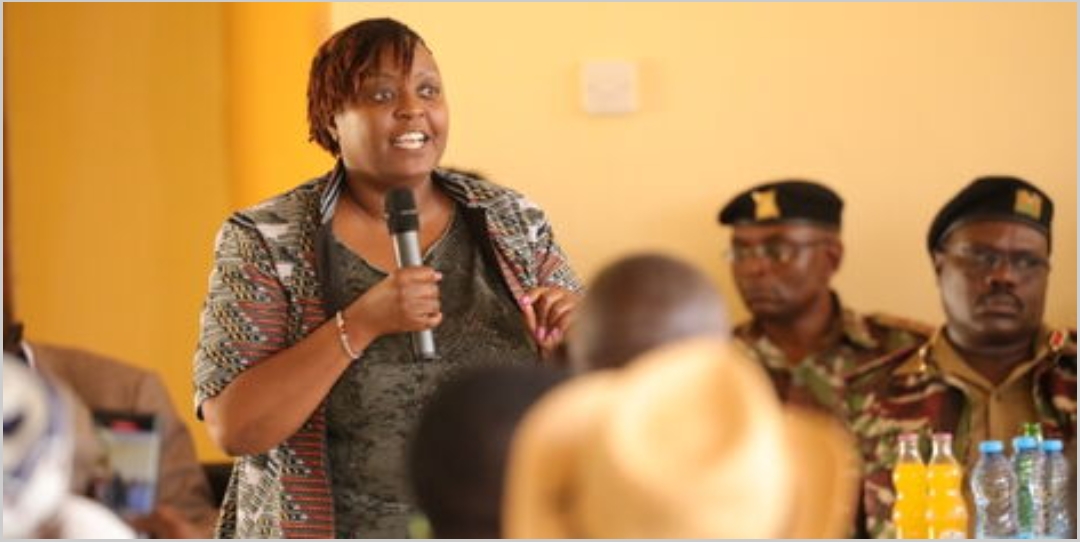
According to Principal Secretary for Higher Education, Carol Hunja, a team of experts has already been tasked with developing the framework, which is expected to be ready before the end of this year.
This gives universities a limited timeframe to restructure their academic programmes, retrain lecturers, and redesign assessment methods before the first CBC cohort arrives.
“We are working on a competency-based university education framework that will guide programme development, lecturer training, and help us identify existing gaps ahead of 2029,” Hunja explained.
READ ALSO: Transition from Junior to Senior School In Kenya: What we Know So Far
A Shift From 8-4-4 to 2-6-3-3 System
The urgency stems from Kenya’s ongoing transition from the long-standing 8-4-4 system to the new Competency-Based Curriculum structured under the 2-6-3-3 model.
Under the old system, learning at the university level has largely been lecture-based, with a strong emphasis on theory and memorisation. However, CBC introduces a different approach—one that focuses on developing practical skills and competencies that learners can apply in real-world situations.
This means universities must rethink how they teach, assess, and even design their courses.
What Will Change in Universities?
The new framework is expected to bring several major changes to higher education in Kenya.
1. Skills-Based Learning
Universities will be required to prioritise hands-on, practical learning rather than relying heavily on lectures. Students will be assessed based on what they can do—not just what they know.
2. Integration of Soft Skills
Key competencies such as:
- Critical thinking
- Digital literacy
- Communication skills
- Collaboration
will be embedded into all degree programmes. These are skills CBC learners begin developing as early as primary school.
3. New Methods of Assessment
Traditional written exams may no longer dominate. Instead, universities are expected to adopt continuous assessment methods, including projects, presentations, and practical evaluations.
4. Curriculum Redesign
Degree programmes will need to be reviewed and aligned with industry needs to ensure graduates are job-ready and globally competitive.
READ ALSO: Government Scholarships Available for Kenyan Students
Lecturers Face Major Retraining
One of the biggest challenges in this transition will be preparing university lecturers for the new system.
Under CBC, the role of a lecturer shifts from being a source of knowledge to a facilitator of learning. This means lecturers must adopt new teaching methods that encourage student participation, creativity, and problem-solving.
The government, through CUE, is expected to roll out training programmes aimed at equipping lecturers with the necessary skills to deliver competency-based education effectively.
For many institutions, this will require significant investment in staff development and teaching resources.
2029 CBC university transition
STEM Courses Take Centre Stage
As Kenya aligns its education system with global trends, science-related courses are expected to dominate university enrolment.
According to projections, about 60 percent of senior school students under CBC will pursue pathways in Science, Technology, Engineering, and Mathematics (STEM).
This shift is likely to influence how universities allocate resources, develop infrastructure, and design programmes to accommodate the growing demand for STEM-related courses.
Dr. Hunja emphasised that the goal is to produce graduates who can compete on a global stage.
“We want our universities to grow and produce quality graduates who are capable of working anywhere in the world,” she said.
READ ALSO: Best Courses in Kenyan Universities and TVET Colleges 2026
CUE to Oversee Implementation
The Commission for University Education will play a central role in ensuring that universities comply with the new framework.
Its responsibilities will include:
- Reviewing and approving updated academic programmes
- Setting new accreditation standards
- Monitoring quality assurance across institutions
CUE is already working on aligning university regulations with the competency-based model to ensure a smooth transition.
Challenges Universities May Face
Despite the progress, the transition is not without challenges.
1. Limited Time
With the framework expected by the end of 2026, universities have only a few years to fully implement the required changes before 2029.
2. Resource Constraints
Institutions may need to invest heavily in infrastructure such as laboratories, workshops, and digital tools to support practical learning.
3. Resistance to Change
Some lecturers and institutions may find it difficult to shift from traditional teaching methods to the new approach.
4. Curriculum Overhaul
Rewriting and accrediting new programmes is a complex and time-consuming process.
Dr Hunja acknowledged that the transition is a significant undertaking.
“This is quite a bit of work, and we have already engaged experts to ensure the process is thorough and effective,” she noted.
What This Means for Students
For current and future students, the shift to competency-based education could be a game-changer.
Students joining universities from 2029 onwards can expect:
- More practical and engaging learning experiences
- Better alignment between education and job market needs
- Increased opportunities for innovation and entrepreneurship
Ultimately, the goal is to produce graduates who are not just academically qualified but also equipped with real-world skills.
READ ALSO: Good News for Retirees: NSSF Targets 24-Hour Payments as TSC Pension Guide Explained
Looking Ahead to 2029
As the countdown to 2029 continues, all eyes are on Kenyan universities to see how well they will adapt to this major shift.
The success of the transition will depend on how effectively institutions embrace the new framework, invest in training, and align their programmes with the needs of CBC learners.
While the road ahead may be challenging, the move represents a bold step toward modernising Kenya’s higher education system and preparing students for a rapidly changing global economy.
2029 CBC university transition