KNEC Opens Registration for 230,000 Contracted Professionals Ahead of 2026 Exams
The Kenya National Examinations Council (KNEC) has begun the registration and mobilization of contracted professionals who will support the administration of the 2026 national examinations and assessments.
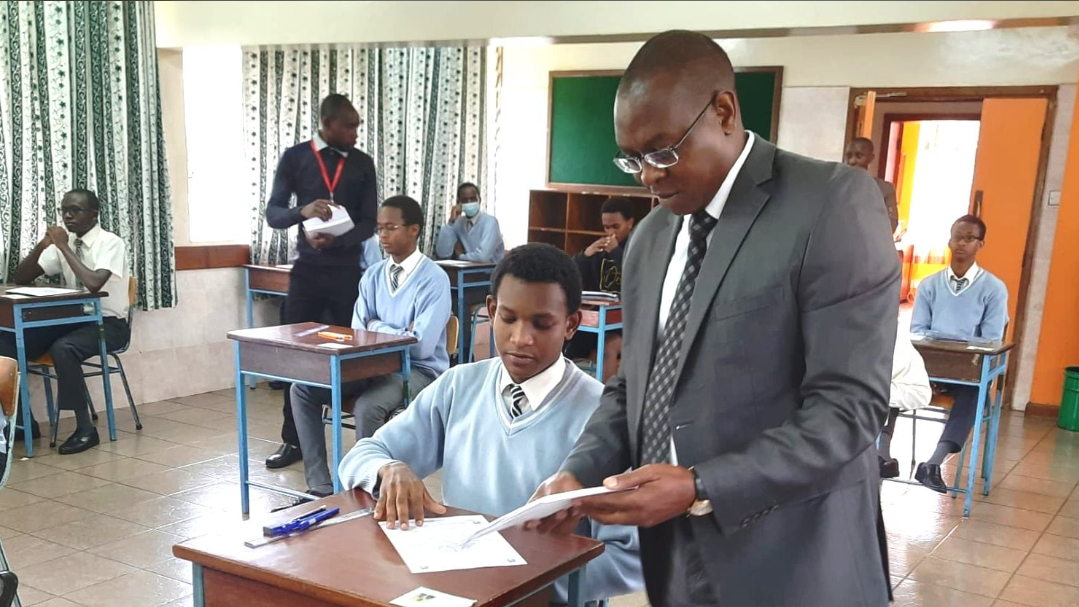
The exercise is expected to bring on board at least 230,000 teachers, who will serve in various roles including invigilators, supervisors, centre managers and examiners. Other professionals, including security personnel and transport providers, will also be involved in supporting the examination process.
Registration on CP2 Portal
KNEC will use the Contracted Professionals (CP2) portal to register, deploy and manage examination officials.
Teachers who are new to the system are required to create an account on the portal. During registration, they provide an active mobile phone number, after which login credentials are sent to them through SMS.
Existing users should log into their accounts and ensure that their information is accurate and up to date.
Teachers are expected to verify details such as their personal information, academic qualifications, current workplace and payment details.
KNEC has emphasized the importance of providing accurate information because discrepancies between details entered in the CP2 system and those contained in payment accounts can cause delays or problems when processing allowances.
How To Apply
After logging into the CP2 portal, eligible professionals can select the examination or assessment they wish to participate in and indicate the type of duty they are interested in.
Available options may include invigilation, supervision and other examination-related responsibilities.
Applicants can also select their preferred county, sub-county and duty station before searching for available opportunities.
Successful applicants will have their deployment details confirmed through the system. They can then log into the portal and download their deployment letters, which may be required when reporting for examination duties.
The contracted professionals will support several major national assessments and examinations during the 2026 examination season.
These include:
– KPSEA for Grade 6 learners
– KJSEA for Grade 9 learners
– KCSE for Form Four candidates
– KILEA and other stage-based assessments for learners in special needs education
The examinations will involve learners across different levels of Kenya’s education system as the country continues implementing the Competency-Based Curriculum (CBC).
KNEC Funding Challenges
The recruitment exercise comes as KNEC continues to deal with financial pressure associated with administering national examinations.
The article reports that the National Treasury has allocated KSh9.9 billion to KNEC for examination administration, while the Council’s estimated annual requirement is considerably higher.
According to the figures cited, KNEC requires approximately KSh14.7 billion, leaving a funding gap of about KSh4.8 billion.
The estimated requirements include approximately KSh9.5 billion for KCSE, KSh3.9 billion for KJSEA, KSh1.2 billion for KPSEA and about KSh144.7 million for stage-based and special assessments.
Concerns Over Delayed Examination Payments
The recruitment of teachers also comes amid concerns over delays in payment of examination allowances.
Teachers and their unions have previously complained about waiting for extended periods before receiving payments for duties performed during national examinations.
The Kenya National Union of Teachers (KNUT) and the Kenya Union of Post-Primary Education Teachers (KUPPET) have pushed for clearer and more reliable payment arrangements for teachers contracted by KNEC.
The concerns are particularly significant as teachers prepare to participate in another major examination cycle. Teachers want assurances that their allowances will be processed and paid within a reasonable period after completing their duties.
Teachers Keep Details Updated
As the 2026 examination preparations gather pace, teachers interested in serving as KNEC contracted professionals should ensure their CP2 profiles are accurate and complete.
Particular attention should be given to names, telephone numbers, academic qualifications, workplace information and payment details.
The registration exercise marks an important step in preparing for the 2026 national examination season, which will require a large workforce to ensure assessments are administered smoothly and securely across the country.